
No Other Choice: The Ultimate Filming Location Guide (2025)
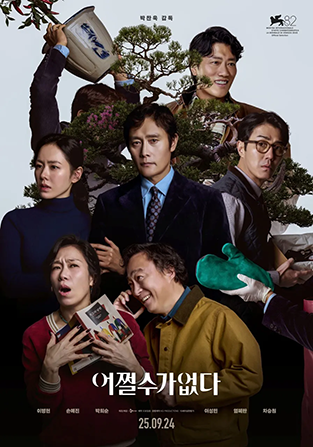
When a master of cinematic suspense like Park Chan-wook reunites with powerhouse actor Lee Byung-hun two decades after their last collaboration, you know you’re in for a visual and psychological feast. No Other Choice (어쩔 수가 없다) isn’t just an Oscar-submitted black comedy-thriller; it’s a breathtaking, albeit blood-spattered, tour across contemporary South Korea.
The film follows Man-su (Lee Byung-hun), a dedicated paper industry veteran who is unceremoniously laid off after 25 years. Driven by a desperate need to protect his family and his pride, he embarks on a dark, meticulously planned mission to eliminate his competitors for a rare job opening. While the plot is thick with tension and pitch-black humor, the filming locations themselves steal the show. From the towering industrial machines of Ulsan to the misty, haunting wharfs of Dangjin and the labyrinthine alleys of Busan, Director Park uses the Korean landscape to mirror Man-su’s descent into madness.
Whether you’re an architecture buff, a K-thriller fanatic, or just planning your next trip to South Korea, grab your T-money card. We’re retracing the Paper King’s desperate trail—minus the murderous intent, of course.
Original Title: 어쩔수가없다 (No Other Choice)
Cast: Lee Byung-hun, Son Ye-jin, Park Hee-soon, Lee Sung-min, Yeom Hye-ran, Cha Seung-won
Director: Park Chan-wook
Studio: CJ Entertainment / KG Productions
Runtime: 139 minutes
Release Year: 2025
Awards: World premiere in the main competition of the 82nd Venice International Film Festival (2025); nominated for Best Motion Picture – Musical or Comedy, Best Foreign Language Film, and Best Actor (Lee Byung-hun) at the 83rd Golden Globe Awards
The Journey: Plot-by-Plot Locations
1. Hankuk Paper Onsan Mill (한국제지 온산공장)
- Scene: The film’s catalyst. Early scenes showcasing the massive scale of the paper industry and Man-su’s 25-year career before his devastating layoff.
- Address: 40 Wonsan-ro, Onsan-eup, Ulju-gun, Ulsan
This sprawling industrial monolith in Ulsan serves as the beating heart of Man-su’s universe. Director Park uses the deafening hum and towering rolls of paper to make Man-su look like a tiny, replaceable cog in a ruthless corporate machine. It’s here that the tragedy begins, setting off a chain reaction of hilariously grim events.
While Hankuk Paper is a fully operational industrial site (meaning you can’t just stroll inside to reenact Lee Byung-hun’s tragic exit), the sheer scale of the exterior is worth seeing if you’re exploring the Ulsan area. To get here, hop on the Donghae Line commuter rail to Mangyang Station, followed by a quick 10-minute taxi ride.
If you’re visiting Ulsan, I highly recommend grabbing a hearty bowl of Dwaeji Gukbap (pork soup, usually around ₩9,000) at a local eatery near the station before heading out to marvel at the industrial grit that sparked Man-su’s villain origin story.
2. Gokgyo-cheon Road (곡교천 은행나무길)
- Scene: The stalking route. Man-su drives along this scenic, tree-lined road while tracking down the addresses of his elite corporate competitors.
- Address: 502-3 Baegam-ri, Yeomchi-eup, Asan-si, Chungcheongnam-do
Nothing says “Park Chan-wook” quite like a picturesque, golden landscape hiding a deeply sinister motive. Gokgyo-cheon Road is famous for its breathtaking Ginkgo Tree tunnel. In the film, the stark, bare branches of the off-season perfectly match the bleak, calculated tone of Man-su’s mission as he crosses names off his hit list.
In reality, this is one of Asan’s most beloved public roads. The absolute best time to visit is mid-to-late autumn when the leaves turn a brilliant, blinding yellow. It’s a 24/7 public road, making it perfect for an early morning stroll or a scenic bike ride.
Reaching the road is a breeze: take the KTX to Cheonan-Asan Station, then catch a 15-minute taxi. There are plenty of quaint cafes along the stream offering English menus, where an Americano will set you back about ₩5,000. It’s the perfect spot to sit and plan your day—ideally, a day that doesn’t involve hunting down rival job applicants.
3. Mi-ri’s Pharmacy (신언리 약국)
- Scene: Mi-ri (Son Ye-jin) works here to support her family post-layoff. It stands as a beacon of normalcy, completely isolated from her husband’s dark secrets.
- Address: 176 Asanman-ro, Dogo-myeon, Asan-si, Chungcheongnam-do
Deep in the quiet rural expanses of Asan lies the pharmacy where Mi-ri tirelessly works. Son Ye-jin brings a grounded, warm energy to this location, creating a brilliant contrast to the chaotic violence of the rest of the film. Unbeknownst to her, the “medicine” her husband truly needs isn’t stocked on these shelves.
The production team transformed a building in the Dogo-myeon area into the vintage-looking pharmacy we see on screen. It sits right on the main village road, capturing that nostalgic, slower-paced Korean countryside vibe.
To visit, take Subway Line 1 all the way down to Sinchang Station, then catch a local taxi or Bus 401. Walking around this neighborhood feels like stepping back in time. Be sure to have your Kakao Map handy, as English signage in this deeply rural pocket of Asan is practically non-existent!
4. Jungbu Timber Business Headquarters (중부목재사업본부)
- Scene: The tense pre-interview gathering where Man-su physically sizes up his high-profile competition (including characters played by Cha Seung-won and Yoo Yeon-seok).
- Address: 90 Nongsan-ro, Yeoju-si, Gyeonggi-do
This is where the black comedy truly peaks. Picture a room full of highly qualified, desperate middle-aged men politely exchanging business cards and corporate pleasantries, utterly unaware that the man smiling at them is planning their demise. The heavy wood architecture was intentionally chosen to maintain the film’s underlying motif of paper, timber, and the physical weight of the industry.
Located in Yeoju, the Jungbu Timber Business Headquarters is an actual forestry center. The surrounding area is incredibly lush and peaceful, starkly contrasting the cutthroat corporate anxiety depicted in the movie.
Getting here is part of the fun: ride the Gyeonggang Line to Yeoju Station and grab a taxi for a 10-minute ride into the wooded outskirts. While you’re in Yeoju, you can easily pivot from thriller tourism to luxury shopping at the nearby Yeoju Premium Outlets.
5. Dobido Wharf (도비도 선착장)
- Scene: A pivotal, fog-drenched night scene where Man-su attempts to dispose of evidence and faces a heart-pounding confrontation.
- Address: 567 Nanjido-ri, Seongmun-myeon, Dangjin-si, Chungcheongnam-do
If you want to feel the hairs on the back of your neck stand up, visit Dobido Wharf at dusk. Director Park famously utilized the natural, thick sea fog of the Dangjin coast to create a hauntingly realistic, suffocating atmosphere without relying on CGI or smoke machines. The dark waters here serve as a brilliant visual metaphor for Man-su sinking past the point of no return.
The wharf is a functioning ferry terminal by day, taking locals and tourists out to smaller islands. It’s open 24/7, but if you want to catch the moody vibes of the film, aim for late afternoon or early evening.
Since there is no direct subway to Dangjin, you’ll need to take an intercity bus to the Dangjin Bus Terminal, then transfer to a local bus heading to the Dobido Entrance. Dress warmly—the coastal winds here are no joke, even in the summer!
6. Asia Publication Culture Information Center (아시아출판문화정보센터)
- Scene: The ultimate prize. Man-su arrives at the grand corporate headquarters for the final interview, believing he has successfully cleared the path of all rivals.
- Address: 145 Hoedong-gil, Paju-si, Gyeonggi-do
Behold, the pinnacle of the paper industry. When Man-su walks into this architectural marvel, the sheer scale of the floor-to-ceiling bookshelves in the “Forest of Wisdom” validates everything he has sacrificed his morality for. It is grand, intimidating, and utterly beautiful.
Located in Paju Book City, this is a must-visit for bibliophiles and cinephiles alike. The Forest of Wisdom is a massive public library and cultural space that frequently appears in K-Dramas, but Park Chan-wook lenses it with an almost religious, imposing reverence.
To get here from Seoul, take the subway to Hapjeong Station (Line 2/6), go to Exit 1, and tap your T-money card on the Red Bus 2200. It’s a comfortable, direct ride. Afterward, grab a pastry (around ₩6,000) at one of the many chic, English-friendly cafes inside the complex and bask in the literary atmosphere.
7. Yeongdo Alleys (흰여울문화마을)
- Scene: A breathtaking noir sequence where Man-su stalks a particularly elusive candidate through a labyrinth of narrow, coastal streets.
- Address: 194 Jeoryeong-ro, Yeongdo-gu, Busan
Park Chan-wook has gone on record saying he will forcefully find a way to include Busan in his films, and No Other Choice is no exception. The chaotic, multi-leveled alleys of Huinnyeoul Culture Village perfectly reflect the tangled, spiraling state of Man-su’s mind as his plan faces unexpected hurdles.
Huinnyeoul Culture Village is a vibrant, cliffside arts district often called the “Santorini of Korea.” By day, it’s a photographer’s paradise with sweeping ocean views, indie craft shops, and cozy cafes. In the film, however, the shadowy corners and steep staircases are turned into a high-stakes hunting ground.
Take Subway Line 1 to Nampo Station, head out Exit 6, and catch a quick 10-minute bus ride onto Yeongdo Island. Put on your best walking shoes—the inclines here are a serious workout. Reward yourself afterward with some fresh coastal seafood; many local spots offer photo menus to make ordering a breeze.
Travel Tips for Fans
- The Golden Rule of Navigation: Delete Google Maps from your mind when navigating South Korea on foot. Download Kakao Map or Naver Map. Google Maps is great for reading reviews, but due to local security laws, it will not give you walking directions.
- The Almighty T-Money Card: Buy a T-Money transit card at any convenience store the moment you land. You can tap it for subways, buses, and even to pay for snacks. It calculates transfer discounts automatically, saving you a fortune on intercity bus rides like the one to Paju.
- Timing is Everything: If you want the moody, eerie aesthetic of the film, autumn and early winter are your best bets. For Gokgyo-cheon Road, mid-November is mandatory for the Ginkgo leaves.
- Language Barrier: Outside of Seoul and Busan (like in Asan and Dangjin), English is rarely spoken. Have your translation app (Papago is highly recommended over Google Translate for Korean) ready to go!